Our story

We’ve sat in your seat.

Tempest was started by two people who sold a company together — one as the founder deciding whether to let go, one as the operator getting it ready. Between us, we’ve seen a sale from both chairs. Almost nobody helps with the hardest part, which isn’t the process. It’s deciding.

Where it started

One company. Two sides of the same sale.

JP built the company, growing it to eleven locations and 180 people, organically and through acquisitions, partnerships, divestitures and acquihires. Jon came in as COO, having already been brought into other companies to get them ready for what came next.

When the time came, we sold it together. JP spent the months before the sale working out whether he actually wanted to, a decision that took far longer than the deal itself. Jon spent them doing what he had done before: getting the business ready for what a buyer would test, and planning what the company and its people would look like afterward. When it closed, Jon succeeded JP as CEO.

That sale is where Tempest started. We had watched the same deal from two different chairs, and noticed that most advisors only ever show up for one of them.

We’ve already walked the path you’re considering — building something real, then figuring out when it’s time for what’s next.

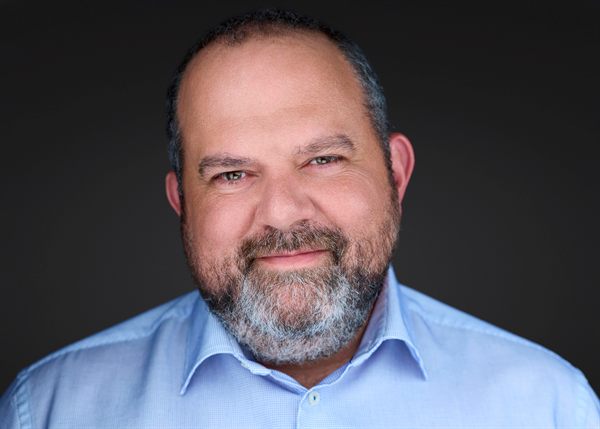
JP Midgley, co-founder of Tempest M&A Advisors
JP MidgleyCo-Founder
Jon Bates, co-founder of Tempest M&A Advisors
Jon BatesCo-Founder
What we each saw

Two seats at the same table.

The founder’s seat

The hardest part comes first.

What JP remembers most clearly isn’t the negotiation. It’s the period before, when he wasn’t sure whether what he was feeling was real or just a bad quarter. Friends and family were supportive and had no idea what he was weighing. The advisors he met were only interested once he’d already decided, which was precisely the part he hadn’t managed to do. That’s the part we start with.

The operator’s seat

Deals are rarely lost at the table.

Jon has been brought into six companies to prepare them for sale, and all six sold. He has sat through the diligence, negotiated the terms and led five integrations from both sides of a deal. What he’s learned is that deals come apart when a buyer finds something nobody prepared for, and that the year after closing goes wrong when nobody planned for the people. That’s the part most owners never see coming.

Most advisors bring one of these perspectives. A good sale needs both.

The name

Why Tempest

In 2020, still running his company, JP listened to a winery owner explain why he hadn’t produced wine that year. The wildfires had touched the fruit, and he wasn’t willing to put something out under his name unless he was proud of it. He called it his life’s work.

That phrase stayed with him, and it landed somewhere unexpected: the company he’d built didn’t have to be his only life’s work. There could be a second one, built with the same care. For both of us, Tempest is that second one.

The wine poured that evening was called The Tempest.

The name isn’t about storms. It’s about transformation — the point at which one thing genuinely becomes another.

What we believe

Three things we won’t compromise on.

The decision comes first

We’ll help you work out whether to sell before we ever talk about how. If the answer is “not yet,” that’s a real answer and you’ll get it straight.

Plain language, always

You shouldn’t need to learn a vocabulary to understand what’s happening to your own company. If we say something you don’t follow, that’s our failure, not yours.

The right buyer, not any buyer

Who takes it over matters — to your employees, your clients, and to how you feel about this in five years. The highest bid isn’t automatically the best outcome.

Start with a conversation.

No pitch, no pressure, and no expectation that you’ve made up your mind.

Talk to us

Or call us at (888) 828-4824.

We’ve made this decision ourselves. Now we help you make yours.